
What’s Your Carbon Footprint?
by Loretta Ottinger
Have you ever wondered how your daily habits impact the environment? Your carbon footprint is the total amount of greenhouse gases—like carbon dioxide and methane—generated by your actions. In the United States, the average person’s footprint is about 14–16 tons per year, one of the highest in the world. The good news? Small, simple changes at home can make a meaningful difference.
One easy place to start is with plastics, especially in everyday products like laundry detergent. Most of us buy detergent in large plastic jugs, assuming they’ll be recycled because of the symbol on the label. Unfortunately, the reality is very different. According to the U.S. Environmental Protection Agency (EPA), the U.S. generates about 35–36 million tons of plastic waste annually, and less than 10% is recycled. The rest is landfilled, burned, or escapes into the environment. Many plastics can take hundreds of years to break down.
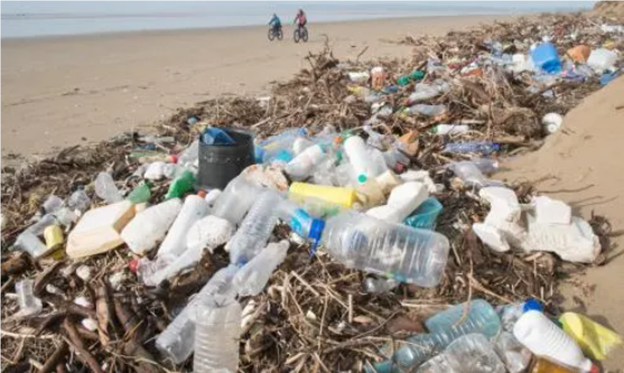
So what can you do today to make an immediate impact? Consider switching to laundry detergent sheets. In my own home, I’ve tested several brands—and made the switch. These sheets eliminate bulky plastic containers, reduce waste, and simplify storage. They’re lightweight, take up minimal space, and often cost less per load than traditional liquid detergents.
A few options I’ve tried include Earth Breeze (USA), Clean People (USA), Tru Earth (Canada), and Sheets Laundry Club. While pricing varies, many fall in the range of 9–30 cents per load, making them competitive with—or even cheaper than—traditional detergents. An added bonus: no more carrying heavy jugs from the store, and your laundry space becomes cleaner and more organized.
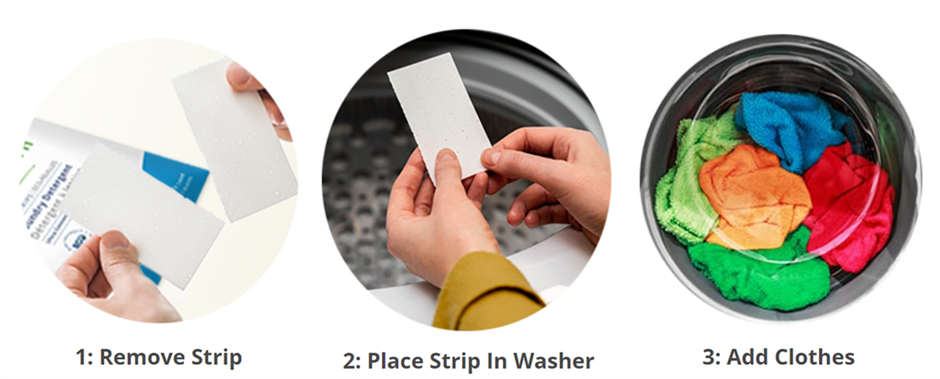
Change doesn’t have to be overwhelming. By making one simple switch—like changing your laundry detergent—you can immediately reduce plastic waste in your home. If you’re curious about your personal impact, you can calculate your carbon footprint here: https://www.footprintcalculator.org. Small changes, multiplied across many households, can create a powerful environmental impact.
Loretta Ottinger, DGND
Rotary Club of Fleetwood
District Environmental Sustainability Team